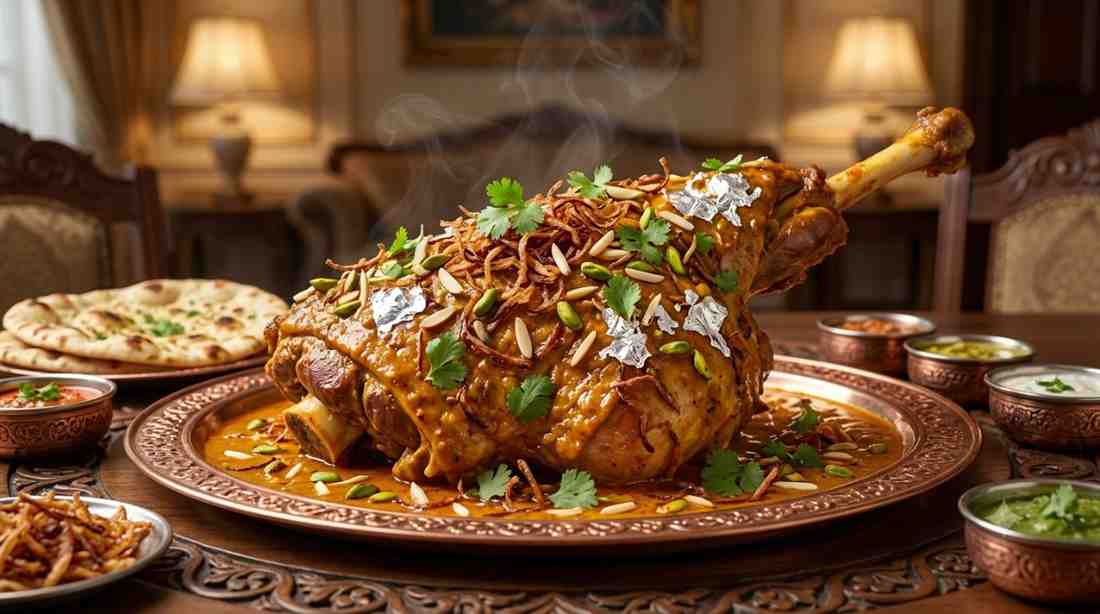
Raan-e-Musallam is more than just a lamb dish—it's a masterpiece of Mughal cuisine that represents royal luxury, centuries-old culinary traditions, and the rich flavours of the Indian subcontinent. Prepared using a whole leg of lamb marinated in aromatic spices and cooked slowly until tender, this majestic dish has long been associated with festive celebrations, royal banquets, weddings, and special family gatherings.
With its melt-in-the-mouth texture, fragrant spices, and dramatic presentation, Raan-e-Musallam continues to be one of the most celebrated dishes in Indian, Pakistani, and Mughlai cuisine. Whether served during Eid, weddings, or festive feasts, this iconic recipe never fails to impress.
What Is Raan-e-Musallam?
The word "Raan" refers to the whole leg of lamb or goat, while "Musallam" means "whole" or "complete." Together, Raan-e-Musallam literally translates to a whole roasted or slow-cooked leg of lamb.
Unlike regular lamb curries, Raan-e-Musallam is cooked as one large piece, allowing the meat to remain juicy and absorb layers of spices during the long cooking process. Traditionally, the lamb is marinated overnight and then slow-cooked using the dum (steam) method, where the meat cooks gently in its own juices.
The result is an incredibly tender dish that falls off the bone with every bite.
The Royal Origins of Raan-e-Musallam
Raan-e-Musallam traces its roots to the magnificent kitchens of the Mughal Empire, where emperors were known for their extravagant feasts and sophisticated culinary tastes. Royal chefs perfected the art of slow cooking, combining Persian cooking techniques with Indian spices to create dishes that were both visually stunning and exceptionally flavourful.
The dish became a centrepiece at royal banquets, where entire legs of lamb were served to honour distinguished guests. Over time, the recipe spread across North India, Pakistan, and parts of Central Asia, becoming an essential feature of festive occasions.
Today, many families continue to prepare Raan-e-Musallam using recipes passed down through generations.
Key Ingredients
Although recipes vary by region and family tradition, classic Raan-e-Musallam typically includes:
- Whole leg of lamb or goat
- Thick yogurt
- Ginger-garlic paste
- Red chilli powder
- Turmeric
- Coriander powder
- Cumin
- Garam masala
- Saffron (optional for royal flavour)
- Fried onions
- Lemon juice
- Ghee or clarified butter
- Fresh mint and coriander
- Whole spices such as cloves, cinnamon, green cardamom, black cardamom, bay leaves, and black pepper
Some versions also include almonds, cashew paste, cream, or dried fruits for added richness.
The Secret Lies in Slow Cooking
One of the defining characteristics of Raan-e-Musallam is patience. The meat is usually marinated for 12–24 hours, allowing the spices to penetrate deep into the lamb.
The cooking process involves:
- Marinating the lamb overnight.
- Searing the meat to lock in the juices.
- Slow-cooking over low heat or baking in the oven for several hours.
- Occasionally basting with ghee and cooking juices.
- Finishing with saffron, herbs, or a rich gravy.
This gradual cooking process breaks down the connective tissue, creating meat that is incredibly tender while retaining maximum flavour.
Why Raan-e-Musallam Is So Special
Rich Layers of Flavour
Every bite offers a combination of aromatic spices, creamy yogurt marinade, caramelised onions, and succulent meat that has absorbed flavours over many hours.
A Stunning Centrepiece
Unlike ordinary meat dishes, Raan-e-Musallam is often served whole on a large platter. Garnished with fried onions, fresh herbs, boiled eggs, nuts, and lemon wedges, it creates an impressive presentation worthy of any celebration.
Perfect for Celebrations
The dish is closely associated with:
- Eid feasts
- Weddings
- Family reunions
- Ramadan dinners
- Special anniversaries
- Royal-style dinner parties
Its grandeur makes every occasion feel memorable.
Regional Variations
Lucknow Style
Known for its delicate balance of spices, the Lucknow version often features fragrant saffron, kewra water, rose water, and a rich yet subtle gravy.
Hyderabadi Style
Hyderabad's version incorporates bold spices, green chillies, roasted nuts, and deeper layers of flavour, reflecting the city's rich culinary heritage.
Punjabi Style
Punjabi preparations typically use robust spices, generous amounts of butter or ghee, and smoky flavours that pair beautifully with naan or tandoori roti.
Pakistani Style
In Pakistan, Raan-e-Musallam is a favourite for weddings and Eid celebrations, often cooked in large quantities and served alongside fragrant rice dishes and fresh salads.
Best Side Dishes to Serve
Raan-e-Musallam pairs wonderfully with:
- Saffron Biryani
- Jeera Rice
- Naan
- Tandoori Roti
- Rumali Roti
- Mint Chutney
- Onion Salad
- Raita
- Pickles
A refreshing yogurt-based side balances the richness of the lamb beautifully.
Tips for Making Perfect Raan-e-Musallam
- Choose a fresh, high-quality leg of lamb with some fat for extra flavour.
- Marinate overnight for the best taste.
- Cook on low heat to achieve a tender texture.
- Baste regularly to keep the meat moist.
- Allow the lamb to rest before carving so the juices redistribute.
- Garnish generously for an authentic royal presentation.
Nutritional Value
Raan-e-Musallam is a protein-rich dish packed with essential nutrients such as iron, zinc, vitamin B12, and healthy fats. While it is undeniably indulgent due to the use of ghee and rich marinades, it can be enjoyed as part of a balanced diet, especially during festive occasions.
Why Raan-e-Musallam Remains a Timeless Classic
Centuries after it first graced the tables of Mughal emperors, Raan-e-Musallam continues to captivate food lovers with its rich history, exceptional flavour, and spectacular presentation. It represents the artistry of slow cooking, where patience and carefully chosen spices transform a simple leg of lamb into an unforgettable culinary experience.
Whether prepared using a traditional family recipe or recreated in a modern kitchen, Raan-e-Musallam remains a symbol of celebration, hospitality, and the enduring legacy of Mughlai cuisine.
Conclusion
Raan-e-Musallam is far more than a festive lamb dish—it is a celebration of history, craftsmanship, and flavour. Its royal origins, luxurious ingredients, and slow-cooking technique have made it one of the finest examples of Mughlai cuisine. Every tender slice tells a story of culinary excellence passed down through generations.
If you're looking to create an unforgettable feast or experience one of the greatest dishes in South Asian cuisine, Raan-e-Musallam deserves a place at the centre of your table. Rich, aromatic, and undeniably regal, it remains a timeless favourite that continues to bring people together over extraordinary food.